🌞 How a Tanning Bed Works (a.k.a. The Indoor Sun That Never Ghosts You)
Let’s get one thing straight right out of the gate: a tanning bed is not a magical coffin of glow, nor is it a tiny spaceship powered by vibes and coconut-scented dreams. It’s actually a very clever piece of technology designed to simulate controlled exposure to sunlight—without sand in uncomfortable places, surprise clouds, or a seagull judging your snack choices.
So buckle up, buttercup. We’re about to take a bright, humorous, and slightly nerdy dive into how tanning beds work, how they mimic the sun, and why replacing bulbs regularly is kind of a big deal.
🌤️ The Sun, But Make It Predictable
First, a little Sun 101 (don’t worry—no pop quiz).
The sun gives off different types of ultraviolet (UV) light, mainly:
-
UVA rays – These penetrate deeper into the skin and are primarily responsible for tanning.
-
UVB rays – These affect the surface layers of skin and stimulate melanin production (also known as your skin saying, “Oh, we’re doing this now?”).
When you tan outdoors, you’re exposed to both, but the ratio constantly changes depending on:
-
Time of day
-
Season
-
Latitude
-
Cloud cover
-
That one cloud that only blocks the sun when you finally get comfortable
A tanning bed removes all that chaos and says, “Relax. I got this.”
💡 Inside the Tanning Bed: Where the Magic Happens
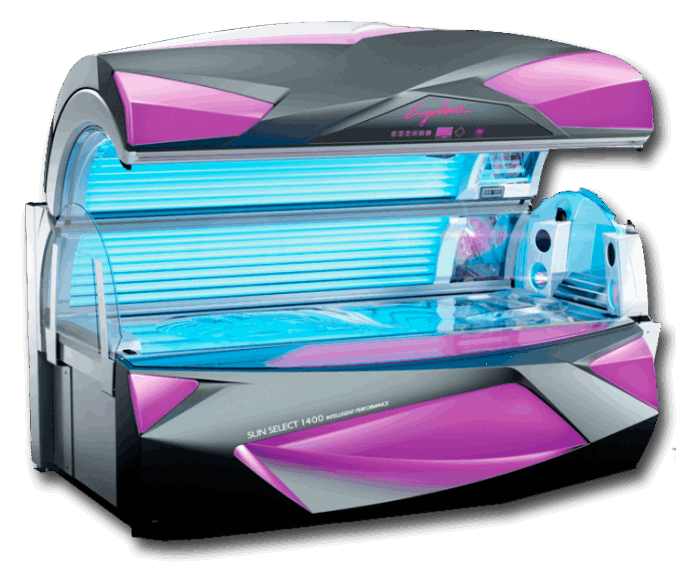
At first glance, a tanning bed looks simple: you lie down, close the lid, press a button, and boom—glow time. But inside that sleek shell is a lineup of specialized fluorescent UV lamps doing some serious work.
🔦 The Bulbs (AKA the Real MVPs)
Tanning bed bulbs aren’t your grandma’s kitchen fluorescents. They’re designed with:
-
Special gases (usually mercury vapor—science!)
-
Phosphor coatings that convert energy into specific UVA and UVB wavelengths
These bulbs are carefully engineered to deliver a consistent, measured dose of UV light, mimicking the parts of sunlight that help create a tan—minus the unpredictability.
Think of it like this:
-
The sun = a live concert in a thunderstorm
-
A tanning bed = a studio recording with perfect acoustics
Same artist. Way more control.
🌈 UVA vs. UVB: The Dynamic Duo
A tanning bed doesn’t just blast random light at you and hope for the best. The balance between UVA and UVB is intentional and regulated.
-
UVA rays darken existing melanin in your skin. That’s your immediate glow—the “Wow, I look like I just came back from vacation” effect.
-
UVB rays stimulate your skin to produce new melanin. This is the slower process that builds a longer-lasting tan.
Different tanning beds use different ratios depending on:
-
Bed type (base bed vs. high-performance unit)
-
Desired tanning results
-
Comfort level for the user
It’s less “fry like bacon” and more “slow roast to golden perfection.”
🛏️ Lay-Down vs. Stand-Up: Same Sun, Different Vibe
Whether you’re lying down or standing up, the science is the same.
-
Lay-down beds surround you with bulbs above and below, offering a relaxed, spa-like experience.
-
Stand-up units provide powerful vertical exposure, often with higher airflow and no pressure points (great if you hate tan lines and commitment).
Either way, the UV exposure is designed to be even, controlled, and efficient. No flipping over like a rotisserie chicken required.
🔁 Why Bulb Replacement Is So Important (Yes, Really)
Now let’s talk about the elephant in the tanning room: bulb replacement.
Here’s the sneaky thing about tanning bulbs—they don’t just burn out. They fade.
😱 The Bulb Aging Problem
As tanning bulbs age:
-
They lose UV output, even though they still light up
-
The UVA/UVB balance can shift
-
Sessions become less effective
-
Clients tan slower (or not at all)
So while the bed looks fine, it’s basically whispering UV rays instead of delivering them.
That’s like ordering a margarita and getting a glass of lime-scented water. Technically still a drink. Emotionally devastating.
🔬 New Bulbs = Better Results
Fresh bulbs mean:
-
More consistent UV output
-
Accurate exposure times
-
Faster, more even tanning
-
Happier skin and happier clients
Well-maintained salons track bulb hours carefully and replace them on schedule—not when they “feel tired” or “start acting weird.”
Because nothing says “professional” like equipment that actually works the way it’s supposed to.
🧴 Bonus Round: Why Lotions Help (Yes, Even Indoors)
While we’re here, let’s clear up a common misconception:
“No sun = no lotion.”
False. Very false.
Indoor tanning lotions:
-
Hydrate skin (hydrated skin tans better—science again!)
-
Help distribute UV exposure more evenly
-
Often include accelerators or bronzers to enhance results
Dry skin reflects UV light. Moisturized skin absorbs it more efficiently. Think sponge vs. cracker.
😎 So… Is a Tanning Bed Actually Like the Sun?
Short answer: Yes—just smarter about it.
A tanning bed:
-
Uses the same types of UV rays as natural sunlight
-
Delivers them in a controlled, predictable way
-
Eliminates environmental wild cards
-
Allows customization based on skin type and experience
It’s essentially sunlight with a user manual.
🌟 Final Glow Thoughts
Tanning beds don’t create color out of thin air—they work with your body’s natural response to UV light, just in a more controlled, convenient, and weather-proof way.
But here’s the key takeaway:
👉 Even the best tanning bed is only as good as its bulbs.
Fresh bulbs = effective sessions
Old bulbs = disappointment and wasted time
So if your tan feels like it’s taking longer than usual, it might not be you. It might just be time for the bed to get a glow-up of its own.
Now go forth, glow responsibly, and remember:
🌞 The sun may be free—but consistency is priceless. 🌞